

Every homeowner eventually asks the same question: where should I put my time and money to make sure my property is worth more tomorrow than it is today? The answer isn’t a single renovation but a strategy of smart, connected upgrades that improve daily living while quietly building equity. This article breaks down the projects that consistently pay off, why they matter beyond resale value, and how to prioritize them based on your budget and goals. Whether you’re planning a five-year improvement plan or tackling one project at a time, understanding these categories will help you make decisions you won’t regret.
Starting With a Strong Foundation and Layout
Before choosing finishes or gadgets, it helps to think about the bones of your property. Homes designed with efficient layouts, durable materials, and forward-thinking construction techniques tend to hold value better over decades. A well-planned foundation, proper drainage, and quality framing can prevent costly repairs down the road, often saving tens of thousands of dollars over a home’s lifetime.
Layout matters just as much as materials. Open floor plans, well-placed windows for natural light, and flexible spaces that can adapt to changing needs all contribute to a property’s lasting appeal and resale value.
Many homeowners undertaking major additions or full rebuilds now look to modern home builders who specialize in energy-conscious designs, open floor plans, and materials that require less long-term maintenance. These builders often incorporate features like advanced insulation, high-efficiency HVAC systems, and moisture-resistant materials that reduce both utility bills and upkeep costs. This kind of structural planning sets the stage for every other upgrade you make later, ensuring your investment compounds rather than erodes over time.
A well-built structure also reduces the risk of costly surprises down the road, such as moisture intrusion, foundation cracking, or uneven settling. These issues rarely stay small; a minor drainage problem ignored for a few years can escalate into a five-figure foundation repair. Investing in quality construction upfront means fewer emergency repairs and a higher baseline value for your property.
Even minor structural refreshes contribute meaningfully to long-term durability. Reinforcing load-bearing walls, upgrading to code-compliant electrical panels, or updating insulation during a remodel are relatively low-cost interventions that prevent much larger expenses later.
These improvements also pay off at appraisal time. Homes with documented structural upgrades and moisture-control measures, such as proper grading, sump pumps, or vapor barriers, often appraise higher and attract fewer inspection contingencies when it’s time to sell.
Choosing Flooring That Lasts and Appeals

Flooring is one of the first things buyers and guests notice, and it takes a beating from daily foot traffic, pets, and furniture. Rather than choosing based on trends alone, it’s worth visiting flooring stores to compare durability ratings, warranty terms, and maintenance requirements across materials like engineered hardwood, luxury vinyl plank, and tile. These materials vary widely in lifespan and moisture resistance, so matching the product to the room’s function matters more than matching it to a magazine photo.
A thoughtful flooring choice also affects indoor air quality and comfort, since some materials trap allergens while others resist them. Homeowners who invest in higher-quality flooring upfront often avoid the cost and disruption of replacing it again within a decade.
- Engineered hardwood offers a natural look with better moisture resistance than solid wood
- Luxury vinyl plank handles high-traffic areas and pet households well
- Tile remains a top choice for bathrooms and entryways due to water resistance
- Carpet tiles allow for easy spot replacement in bedrooms and offices
Upgrading Entry Points for Style and Function
Entry points shape more than curb appeal—they influence natural light, energy efficiency, and the overall character of a home, all of which factor into resale value. A popular option among homeowners renovating living rooms or outdoor-facing spaces is a fleetwood door, known for its slim sightlines and large glass panels that blend indoor and outdoor living. These systems are particularly appealing in homes designed around patios, pools, or garden views, since they maximize light without sacrificing security or insulation.
From a financial standpoint, the appeal goes beyond aesthetics. High-performance glazing and multi-point locking systems can lower energy bills by reducing drafts, while appraisers and buyers increasingly view seamless indoor-outdoor transitions as a premium feature rather than a luxury add-on. In competitive markets, a well-installed door system can differentiate a listing and justify a higher asking price.
Homeowners considering this upgrade should weigh a few practical factors: frame material and thermal rating, the weight capacity of the track system for larger openings, and compatibility with existing structural openings to avoid costly retrofitting. Working with a contractor experienced in large-format glass installations helps ensure the investment pays off both in daily livability and in long-term property valuation.
Beyond aesthetics, upgraded doors can significantly improve a home’s energy performance by reducing drafts and heat transfer. The U.S. Department of Energy estimates that air leaks around doors and windows account for up to 30% of residential heating and cooling energy loss, making entry points a surprisingly costly weak spot in an otherwise efficient home.
Modern fiberglass and steel doors with polyurethane foam cores offer far better insulation than older wood models, often carrying R-values two to three times higher. Pairing these with quality weatherstripping, adjustable thresholds, and multi-point locking systems further tightens the seal, keeping conditioned air inside where it belongs.
This is especially valuable in climates with extreme summers or winters, where poorly sealed doors quietly drive up utility bills year-round. Homeowners in these regions frequently recoup a meaningful share of the upgrade cost through reduced heating and cooling expenses within just a few years, making the investment as much a financial decision as a design one.
Making Windows Work Harder for Comfort and Privacy
Windows are often overlooked in improvement planning, yet they play a major role in comfort, privacy, and energy costs. Well-chosen window treatments can block excess heat in summer, retain warmth in winter, and reduce glare on screens without sacrificing natural light. Options range from motorized shades that adjust automatically throughout the day to layered curtains that add texture and softness to a room.
Beyond function, these treatments also protect furniture and flooring from sun damage over time, which preserves the value of other investments you’ve made in the home. Choosing the right fabric weight and lining can make a noticeable difference in a room’s temperature stability. For homeowners in sun-heavy regions, this small upgrade often delivers a surprisingly fast return in comfort and lower cooling costs.
Reducing Utility Costs With Renewable Energy
Energy costs continue to climb, which makes long-term efficiency projects some of the smartest investments a homeowner can make. Solar installation has become increasingly accessible thanks to falling equipment costs and available financing options, allowing homeowners to offset a significant portion of their electricity usage. Beyond the monthly savings, homes with solar systems often command higher resale prices in markets where buyers are energy-conscious.
It’s worth having a professional assess your roof’s condition, orientation, and shading before committing to a system size. A properly sized system pays for itself over time while reducing dependence on an unpredictable utility grid, which adds a layer of financial stability that many buyers find attractive.
- Request multiple quotes to compare equipment quality and warranty terms
- Ask about battery storage options for backup power during outages
- Check local and federal incentives that can lower upfront costs
- Confirm your roof has enough remaining lifespan to support the panels
Keeping Indoor Climate Systems Reliable
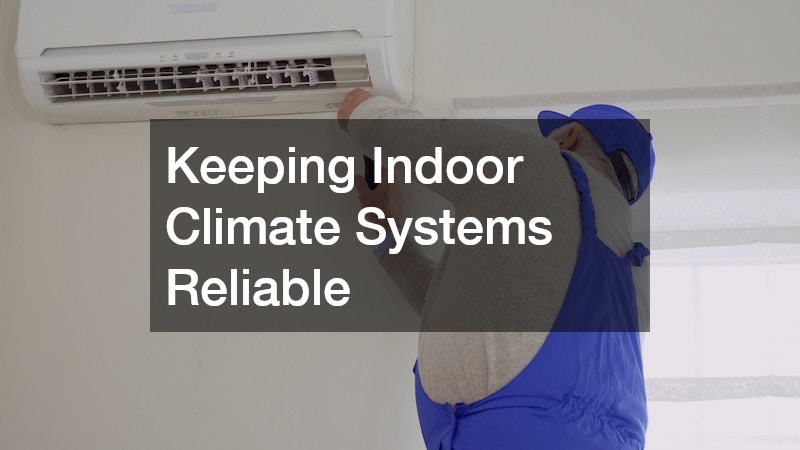
A home’s heating and cooling system quietly affects comfort, air quality, and monthly expenses more than almost any other feature. Scheduling regular maintenance with local hvac contractors helps catch small issues, like a failing capacitor, a clogged coil, or a refrigerant leak, before they turn into expensive breakdowns. Most experts recommend a seasonal tune-up twice a year, once before summer cooling season and once before winter heating season, so technicians can inspect components while problems are still minor and inexpensive to fix.
Preventive care also extends the life of the system, which delays the cost of a full replacement for years. A well-maintained furnace or air conditioner can often run efficiently for 15 to 20 years, compared to a neglected unit that may fail closer to the 10-year mark. That difference alone can translate into thousands of dollars in deferred replacement costs.
There’s also a resale angle worth considering. Buyers and appraisers increasingly view documented service records and updated filters, ductwork, and thermostats as tangible signs of a well-cared-for property, which can support stronger offers and smoother inspections.
When it does come time to upgrade, higher-efficiency units can lower energy bills substantially while improving humidity control throughout the year. A modern variable-speed system, for instance, can cut cooling costs by 20-30% compared to a unit installed a decade ago, while also reducing the temperature swings that leave some rooms too warm or too cold.
Age matters more than most homeowners realize. Most HVAC systems last 12-15 years, and units past that threshold often signal costly repairs on the horizon, which appraisers and inspectors factor into their assessments.
Buyers touring a home often ask about the age and condition of the HVAC system, making it one of the more scrutinized components during a sale. A documented service history, recent filter and coil maintenance, and a working warranty can reassure buyers and support a stronger asking price, while a neglected or outdated system frequently becomes a bargaining chip that erodes negotiating leverage.
Bringing Automation and Protection Into Daily Life
Modern buyers increasingly expect homes to offer some level of connected convenience and safety, and this expectation is now shaping how appraisers and agents talk about property value. Installing a smart home system allows homeowners to control lighting, temperature, and locks remotely, which adds both daily convenience and a layer of energy efficiency by automating settings based on occupancy. A programmable thermostat alone can save the average household 10-15% annually on heating and cooling costs, which is the kind of tangible number buyers notice on a listing sheet.
Security features add another layer of appeal. Video doorbells, smart locks, and motion-triggered cameras give homeowners real-time alerts and remote monitoring, and many insurance providers offer premium discounts of 5-20% for homes equipped with monitored systems. That combination of lower utility bills and reduced insurance costs turns a convenience upgrade into a measurable financial return.
These systems have become far more affordable and easier to install than they were even five years ago, making them accessible for most budgets. Many entry-level devices are now DIY-friendly, connecting through existing Wi-Fi networks without the need for professional wiring or a large upfront investment. For homeowners weighing where to start, prioritizing smart locks and thermostats typically delivers the best mix of buyer appeal and immediate cost savings before expanding into full-home automation.
Pairing automation with visible security cameras adds another layer of value by deterring theft and providing documented peace of mind. Modern systems allow homeowners to monitor entryways, driveways, and package deliveries directly from a smartphone, creating a record that can prove useful for insurance claims or resolving disputes with neighbors. Even a modest four-camera setup, often installed for a few hundred dollars, can meaningfully reduce the risk of break-ins.
Many insurance providers even offer discounts for homes with monitored security systems, sometimes ranging from 5% to 20% off annual premiums, which helps offset the installation cost over time. Bundling cameras with smart locks, motion sensors, and automated lighting can qualify homeowners for even deeper discounts, since insurers view a fully integrated system as a stronger deterrent than isolated devices.
Together, these upgrades signal to future buyers that the home has been thoughtfully maintained and modernized. Real estate agents frequently note that move-in-ready smart security features shorten time on market, since buyers appreciate not having to research and install their own systems. For sellers, this translates into a tangible edge in competitive markets and a stronger perceived value at appraisal time.
- Choose systems with local (on-device) storage, like a microSD card or hub, to avoid the $10-30 monthly subscription fees many cloud-based platforms charge
- Look for compatibility with existing smartphones and voice assistants such as Alexa, Google Home, or Apple HomeKit to keep control centralized in one app
- Position cameras to cover entry points, driveways, and blind spots, angling them roughly 8-10 feet high to prevent tampering while keeping faces identifiable
- Add motion-activated lighting near entryways and side yards, since well-lit exteriors deter break-ins and improve camera footage quality at night
- Test connectivity in areas with weaker WiFi before finalizing placement, using a signal strength app or simply checking video lag on-site
- Consider a mesh WiFi extender or dedicated hub if outbuildings, garages, or large lots create dead zones for smart devices
Preparing for the Shift Toward Electric Vehicles

As electric vehicles become more common, homes equipped to support them stand out to a growing segment of buyers. Arranging ev charger installation in a garage or driveway adds real functional value, especially in regions where public charging stations are limited or inconvenient. This upgrade also future-proofs a property, since more buyers are factoring charging access into their home search criteria.
The installation process typically involves assessing your electrical panel’s capacity and may require an upgrade if the home wasn’t built with higher-demand appliances in mind. Planning this alongside other electrical work, such as solar additions, can reduce overall labor costs and avoid redundant work later.
Maintaining Curb Appeal Beyond the Front Door

First impressions start well before anyone walks through the door, which is why exterior maintenance deserves the same attention as interior projects. Regular lawn treatments keep grass healthy, weed-free, and vibrant, which immediately signals to visitors and potential buyers that the property has been well cared for. Consistent care also prevents costly problems like soil compaction or pest infestations that can require expensive remediation later.
A well-maintained lawn works alongside trimmed hedges, fresh mulch, and clean walkways to create a cohesive exterior that supports the home’s overall value. These outdoor investments are relatively low-cost compared to interior renovations but often deliver a disproportionately strong impression during a sale.
Building long-term wealth through property improvements isn’t about chasing every trend, it’s about choosing upgrades that improve daily life while strengthening your investment over time. Start by evaluating which systems in your home are aging, which rooms feel outdated, and which upgrades align with how you actually live. Prioritize projects based on both immediate comfort and long-term return, and tackle them in a sequence that makes financial sense for your budget. With a clear plan, each improvement becomes a building block toward a more valuable, more livable property.