Credit cards are a normal part of everyday spending, but many consumers use them without fully understanding what happens behind the scenes. A card may seem simple from the customer’s perspective, yet each transaction involves banks, card networks, merchants, security systems, and credit card processing companies working together. Knowing more about how credit cards function can help consumers make better decisions about fees, interest, rewards, security, and everyday purchases.
Credit Card Transactions Involve Several Parties
When a customer swipes, taps, or inserts a credit card, the payment does not move directly from the customer’s account to the merchant. Instead, information travels between the merchant, the payment processor, the card network, and the bank that issued the card.
Each party helps verify the transaction and determine whether it should be approved.
Credit card processing companies play an important role in moving transaction information between these systems. The process often happens in only a few seconds, which can make the technology behind the transaction almost invisible to consumers. Even though approval happens quickly, the actual transfer and settlement of funds takes place through additional steps afterward.
The Minimum Payment Can Be Misleading
Consumers may assume that paying the minimum amount shown on a credit card statement is enough to keep debt under control. While making the minimum payment generally keeps an account current, it may do very little to reduce a large balance. Interest can continue accumulating on the unpaid portion, potentially extending repayment over a long period.
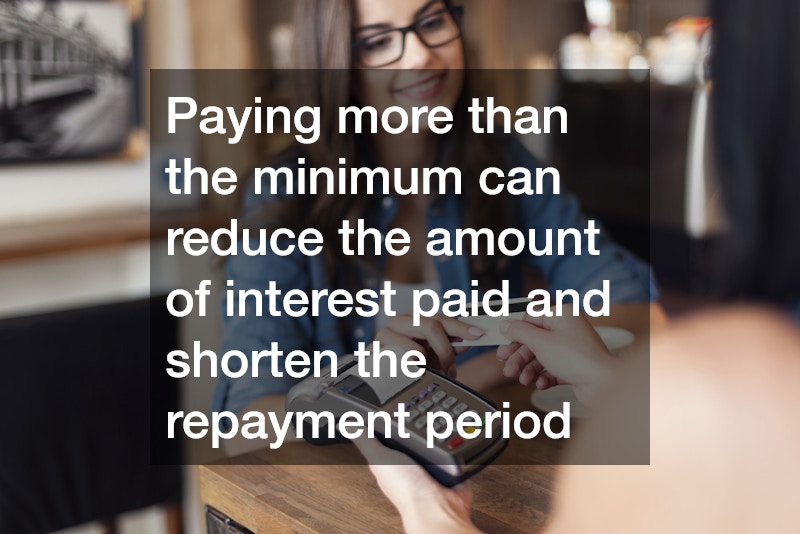
Paying more than the minimum can reduce the amount of interest paid and shorten the repayment period. Consumers should review their statements carefully to understand how much of each payment goes toward interest and how much actually reduces the principal balance. Credit card statements often provide information illustrating how long repayment could take when only minimum payments are made.
Interest Rates Can Change the Cost of Purchases
The price shown at checkout may not represent the true cost of an item when a credit card balance is carried from month to month. Interest charges can make purchases considerably more expensive over time. The annual percentage rate, commonly called the APR, determines how much interest may be charged on unpaid balances.
Different types of transactions can also carry different APRs. Purchases, balance transfers, and cash advances may each be subject to separate rates and conditions. While credit card processing companies handle the merchant side of electronic transactions, the issuing bank generally determines the interest rates and account terms that apply to the cardholder.
Merchants Pay Fees When Cards Are Used
Many consumers do not realize that businesses generally pay fees when they accept credit card payments. These costs can include interchange fees, network assessments, processor charges, and other expenses related to accepting electronic payments. The exact amount depends on factors such as card type, transaction method, business category, and processing arrangement.
Credit card processing companies help merchants accept and manage these payments. For businesses processing a large number of transactions, even small differences in fees can become significant over time. These costs are one reason some businesses establish minimum purchase amounts or offer incentives for customers who use alternative payment methods where permitted.
Rewards Are Not Necessarily Free Money
Cash-back programs, airline miles, travel points, and other rewards can make credit cards attractive. However, consumers should consider whether fees and interest charges outweigh the value of those benefits. Carrying a large balance and paying substantial interest can quickly erase the financial advantage of earning rewards.
The best value generally comes when consumers understand the rules of their rewards program and manage their balance responsibly. Some rewards also expire or have restrictions on how they can be redeemed. Reviewing the card agreement can help consumers understand whether a rewards program actually fits their spending habits.
Cash Advances Work Differently From Purchases
Using a credit card to withdraw cash may look similar to using a debit card, but the financial consequences can be very different. Cash advances often have separate fees and potentially higher interest rates than ordinary purchases. In many cases, interest may also begin accumulating immediately rather than after a traditional grace period.
Consumers should review the terms of their card before using it for cash. What seems like a convenient way to access money can become expensive quickly. Understanding the difference between purchases and cash advances is an important part of using credit responsibly.
Credit Limits Can Affect Credit Scores
A credit limit represents the maximum amount a card issuer allows a consumer to borrow on a particular account. However, regularly using most or all of that limit can potentially influence a person’s credit profile. Credit utilization, which compares balances with available revolving credit, is one factor commonly considered in credit scoring models.
Consumers may benefit from monitoring balances even when they intend to pay them off later. Large balances reported to credit bureaus can affect utilization before the payment due date arrives. Understanding when card issuers report balances can help consumers better understand fluctuations in their credit scores.
Authorization and Settlement Are Different
Consumers often assume that a completed card payment means the merchant immediately received the money. In reality, authorization and settlement are separate parts of the payment process. Authorization determines whether the transaction is approved, while settlement involves transferring funds between the institutions involved.
Credit card processing companies help manage these steps for merchants. This is also why some transactions appear as pending on a credit card account before becoming fully posted. Restaurants, hotels, gas stations, and other businesses may also authorize an estimated amount before the final transaction total is known.
Fraud Protection Depends on Quick Action
Credit cards generally contain multiple security protections, but consumers still need to monitor their accounts. Unauthorized transactions can occur when card information is stolen through phishing, compromised websites, physical card theft, or other forms of fraud. Checking statements and account notifications can make it easier to notice suspicious activity quickly.
Consumers should contact their card issuer promptly when they discover an unauthorized charge or lose a card. Many issuers also allow customers to temporarily lock a card through a mobile app while investigating a problem. Behind the scenes, banks and credit card processing companies use fraud-detection technology to identify potentially suspicious transaction patterns.
Chargebacks Are More Complicated Than Simple Refunds
A chargeback occurs when a cardholder disputes a transaction through the card issuer. This process is different from simply asking a business for a refund because it involves the financial institutions and payment systems connected to the transaction. Merchants may be asked to provide records showing that a purchase was legitimate.
Consumers should generally attempt to resolve ordinary billing problems directly with the merchant when appropriate before escalating the situation. Chargebacks are designed to address legitimate disputes rather than replace standard refund policies. Understanding the process can help cardholders use these protections responsibly.
Credit Cards Are Part of a Larger Payment System
What appears to be a simple piece of plastic or a digital card stored on a phone is actually connected to a complex financial network. Banks issue cards, networks establish payment infrastructure, merchants accept transactions, and credit card processing companies help businesses communicate with the broader payment system. All of these components work together whenever consumers make purchases.
Understanding that system can help cardholders look beyond rewards points and available credit. Interest, utilization, transaction types, security, fees, and repayment habits can all influence the real cost and usefulness of a credit card. Consumers who understand these details are better equipped to use credit cards as convenient financial tools rather than allowing balances and unexpected charges to become financial burdens.