Fundraising has evolved significantly as organizations look for more sustainable and engaging ways to generate revenue. Traditional donation-based models still play an important role, but many schools, nonprofits, and community groups are turning toward structured approaches that combine participation with tangible value. One of the most effective methods involves product fundraising programs that allow supporters to contribute by purchasing goods rather than simply donating money. This approach creates a sense of exchange and often increases participation because contributors receive something in return. It also helps organizations reach wider audiences beyond their immediate donor base.
In many cases, these programs are designed to be simple to manage, scalable, and adaptable to different types of campaigns, making them a practical option for groups of all sizes.
Why Modern Fundraising Requires Stronger Engagement Models
Fundraising today is more competitive than ever. With countless organizations seeking support from the same communities, attention spans are shorter and donor fatigue is more common. As a result, organizations must find ways to stand out while still maintaining trust and transparency.
One key advantage of modern fundraising strategies is the ability to create a more interactive experience. Instead of asking for passive donations, organizations can offer something meaningful in return, whether that is a product, service, or branded item tied to their mission. This shift helps build a stronger emotional connection between supporters and the cause itself.
Additionally, digital tools have expanded the reach of fundraising efforts. Online sharing, social media campaigns, and e-commerce integration allow organizations to connect with supporters far beyond their local area. This expanded visibility not only increases potential contributions but also helps build long-term awareness for the organization’s mission.
Expanding Reach Through Community Participation
One of the most powerful aspects of modern fundraising is the ability to involve entire communities in the process. Schools, sports teams, and nonprofits often rely on volunteers, families, and local supporters to help spread awareness and encourage participation. This creates a ripple effect where each participant becomes an advocate for the cause.
In this environment, structured fundraising systems help bridge the gap between community engagement and revenue generation. Because supporters are purchasing items rather than simply donating, they often feel more comfortable participating and encouraging others to do the same. This structure also makes it easier for organizations to organize campaigns around seasonal events, school activities, or community milestones.
Another benefit is the scalability of these programs. Small groups can run simple campaigns with minimal overhead, while larger organizations can expand into multi-channel efforts that include online stores, catalogs, and group selling events. This flexibility allows organizations to tailor their fundraising approach based on their size, goals, and audience.
Improving Financial Outcomes Through Structured Campaigns
Beyond engagement, one of the most important goals of any fundraising effort is financial efficiency. Organizations must balance the cost of running campaigns with the revenue they generate. Poorly structured efforts can lead to wasted time and limited returns, while well-planned campaigns can significantly increase overall funding.
A structured approach helps streamline operations by defining clear goals, timelines, and responsibilities. It also makes it easier to track performance, identify top-performing products, and adjust strategies in real time. This level of organization reduces confusion among volunteers and ensures that efforts are focused on the most effective activities.
Marketing also plays a critical role in success. Clear messaging, strong visuals, and easy ordering processes all contribute to higher conversion rates. When supporters understand exactly how their participation contributes to the cause, they are more likely to engage fully and encourage others to do the same.
Building Long-Term Sustainability in Fundraising
Sustainability is becoming a major priority for organizations that rely on ongoing fundraising efforts. Instead of running one-time campaigns, many groups are looking for ways to create repeatable systems that can be used year after year with consistent results.
Trust and familiarity are important factors in achieving this. When supporters have positive experiences with a fundraising campaign, they are more likely to participate again in the future. This repeat engagement helps stabilize revenue streams and reduces the pressure of constantly finding new donors.
Over time, organizations can refine their approach by analyzing past performance, identifying trends, and improving communication strategies. This data-driven mindset helps ensure that each new campaign performs better than the last, creating a cycle of continuous improvement.
The Role of Product-Based Fundraising in Modern Strategy
At the center of many successful campaigns are structured selling models that combine commerce with cause-driven participation. These approaches allow organizations to leverage consumer behavior while still maintaining a clear mission focus. In many cases, product fundraising programs provide the framework for these efforts by organizing how products are selected, marketed, and distributed.
This structure helps simplify logistics for organizers while also improving the experience for participants. Instead of managing multiple disconnected efforts, everything is centralized into a single coordinated system. This reduces administrative burden and allows more energy to be focused on outreach and engagement.
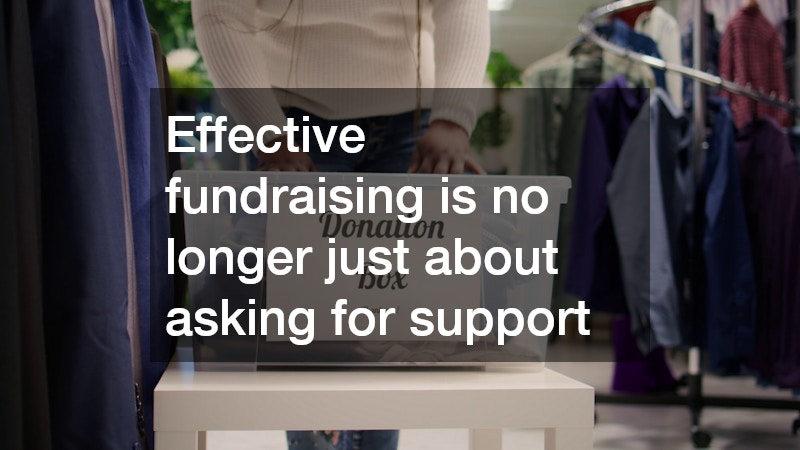
Effective fundraising is no longer just about asking for support—it is about creating meaningful interactions that benefit both the organization and its supporters. By combining engagement, convenience, and value, structured fundraising approaches offer a practical solution for groups seeking to increase participation and revenue. These systems help bridge the gap between traditional fundraising methods and modern expectations, allowing organizations to build stronger connections while achieving their financial goals.